Fuel-Saving Tips for Overlanders South Africa 2026
Whether you're commuting to work or planning your next Botswana loop, these are the things worth tightening up right now.
Fuel Prices Are Brutal Right Now. Here's How to Fight Back.
Let's not sugarcoat it. Petrol went up R3.27 a litre in May, and diesel jumped over R6, driven by the closure of the Strait of Hormuz and Brent crude cracking $101 a barrel. Diesel has breached R32 a litre for the first time ever. For those of us running diesel bakkies and pulling trailers, that's a proper gut punch.
We're not going to pretend there's a hack that makes fuel free. But there's a real gap between how most people drive and how efficiently a rig can be driven, and that gap costs you money every single trip. Whether you're commuting to work or planning your next Botswana loop, these are the things worth tightening up right now.
The Weight You're Carrying
This is the one most people ignore. Every kilogram your engine moves costs fuel. Pull out your fridge drawer and weigh it before your next trip. Check your water tank: do you really need to leave home with 120 litres when you're stopping at a garage in Upington? Think about your recovery gear. Is all of it actually necessary for a Cederberg weekend?
The average overlanding setup is carrying 80–150kg more than it needs to on day-to-day runs. That's not a lecture. It's just physics. Lighter rigs go further on the same tank.
Roof racks are the other thing. A full steel roof rack with gear strapped to it doesn't just add weight. It kills aerodynamics at highway speeds. If you're not using it for a particular trip, strip it down.
Tyre Pressure Is Not Optional
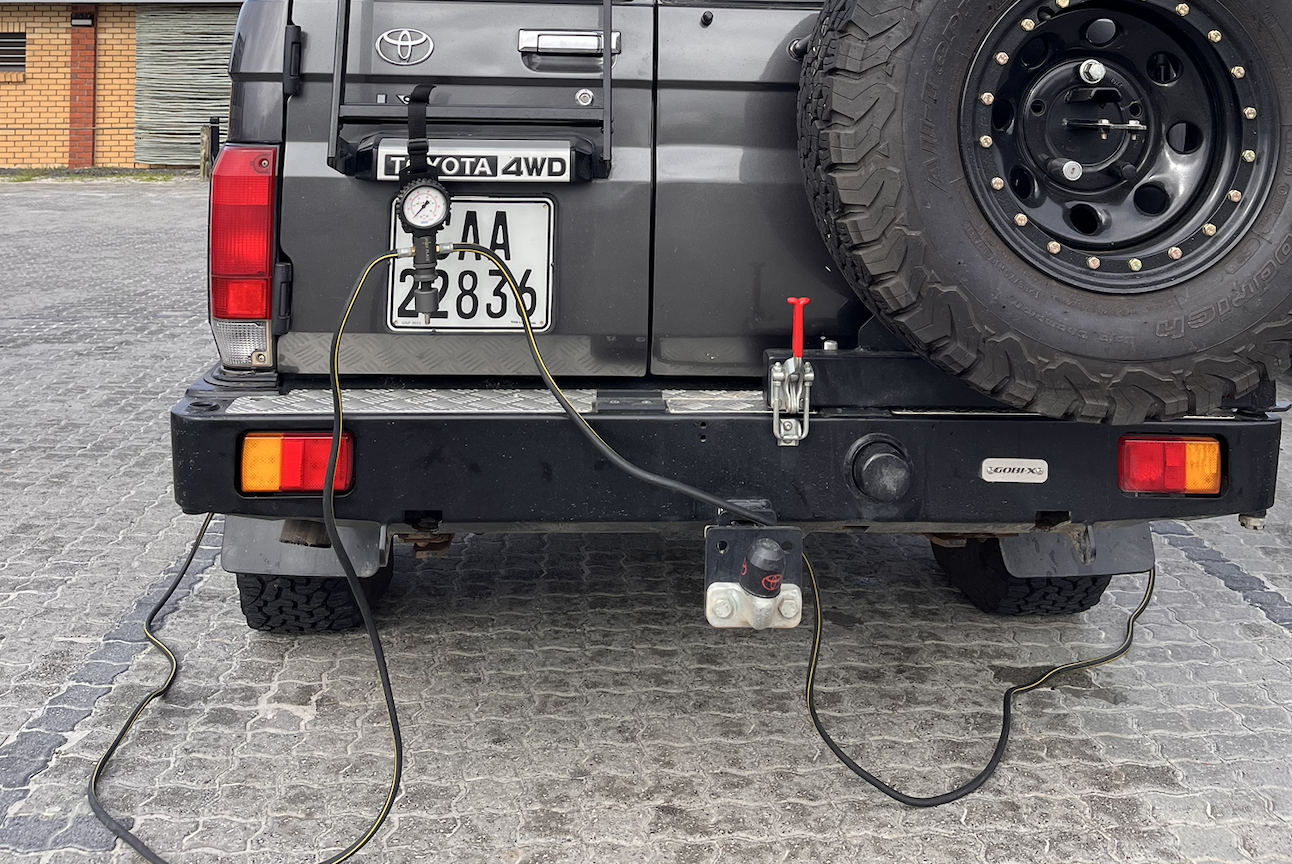
Underinflated tyres are one of the easiest ways to waste fuel, and it happens constantly on overlanding rigs because people forget to air back up after a trail.
Running 10 psi below recommended on the highway can cost you 5–8% in fuel economy. On a 100-litre tank at R32 a litre, that's over R150 gone per fill-up, for nothing.
Get into the habit of airing up as soon as you hit tar. It takes three minutes. Buy a decent digital gauge and keep it in the bakkie, not in the cubby where it never gets used.
If your rig runs All-Terrain or Mud-Terrain tyres, accept that you're already taking a fuel efficiency hit compared to highway rubber. That's the tradeoff. But running them at the right pressure keeps the damage to a minimum.
Driving Style Is Where the Real Money Is
The way you drive matters more than most people realise, especially with a loaded overlanding rig.
Speed is the biggest factor. The aerodynamic drag on a bakkie with a rooftop tent, roof rack, and canopy at 140 km/h is dramatically higher than at 110–120 km/h. That's not an exaggeration. The relationship between drag and speed is exponential, not linear. Knock 20 km/h off your highway cruise and you'll see a meaningful difference in consumption.
Smooth inputs save fuel. Harsh braking means you burned fuel to gain speed you're now throwing away. Anticipating traffic and coasting into stops, especially on long tar stretches, keeps your momentum working for you. In a manual diesel, use engine braking properly: stay in gear when descending rather than freewheeling in neutral.
Cruise control on long flats. If you've got it, use it. Most people drift 10–15 km/h faster than they intend to on open roads. Cruise control holds the sweet spot, and on a Gauteng-to-Cape run that can save you half a tank.
Service Intervals and Basic Maintenance
A dirty air filter, degraded fuel injectors, and old spark plugs (or glow plugs on diesel) all rob you of efficiency without being obvious about it. You won't feel it in any single drive, but over thousands of kilometres it adds up.
If your rig is overdue for a service, sort it out before your next long trip. It's not just about the engine's health. It's about getting what you're paying for out of every litre.
Oil viscosity matters too. Running the manufacturer-recommended oil grade (not a heavier "engine protection" upsell) reduces internal friction. Synthetic oils specifically can improve fuel economy slightly over mineral alternatives.
Trip Planning to Reduce Unnecessary Fuel
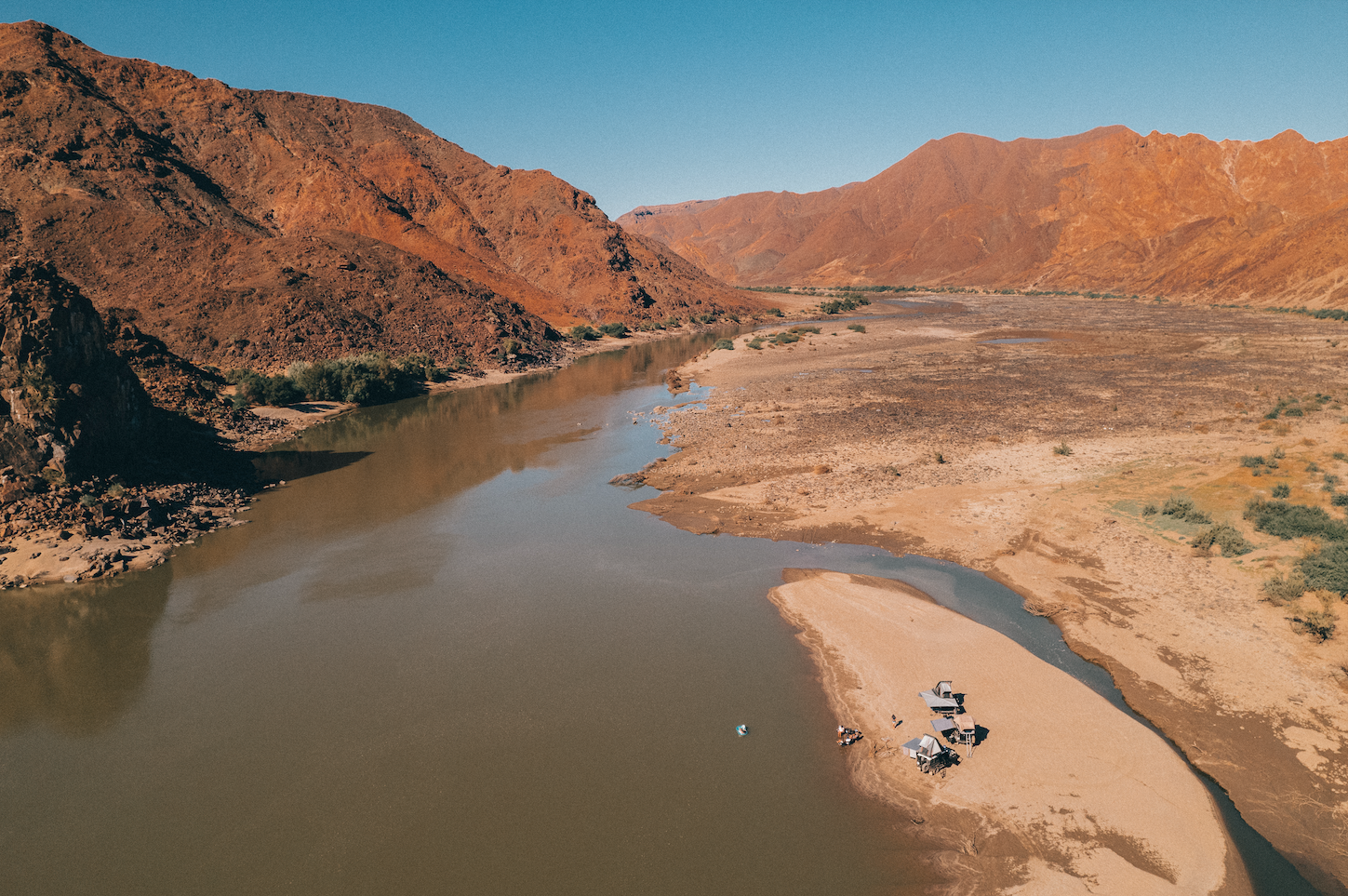
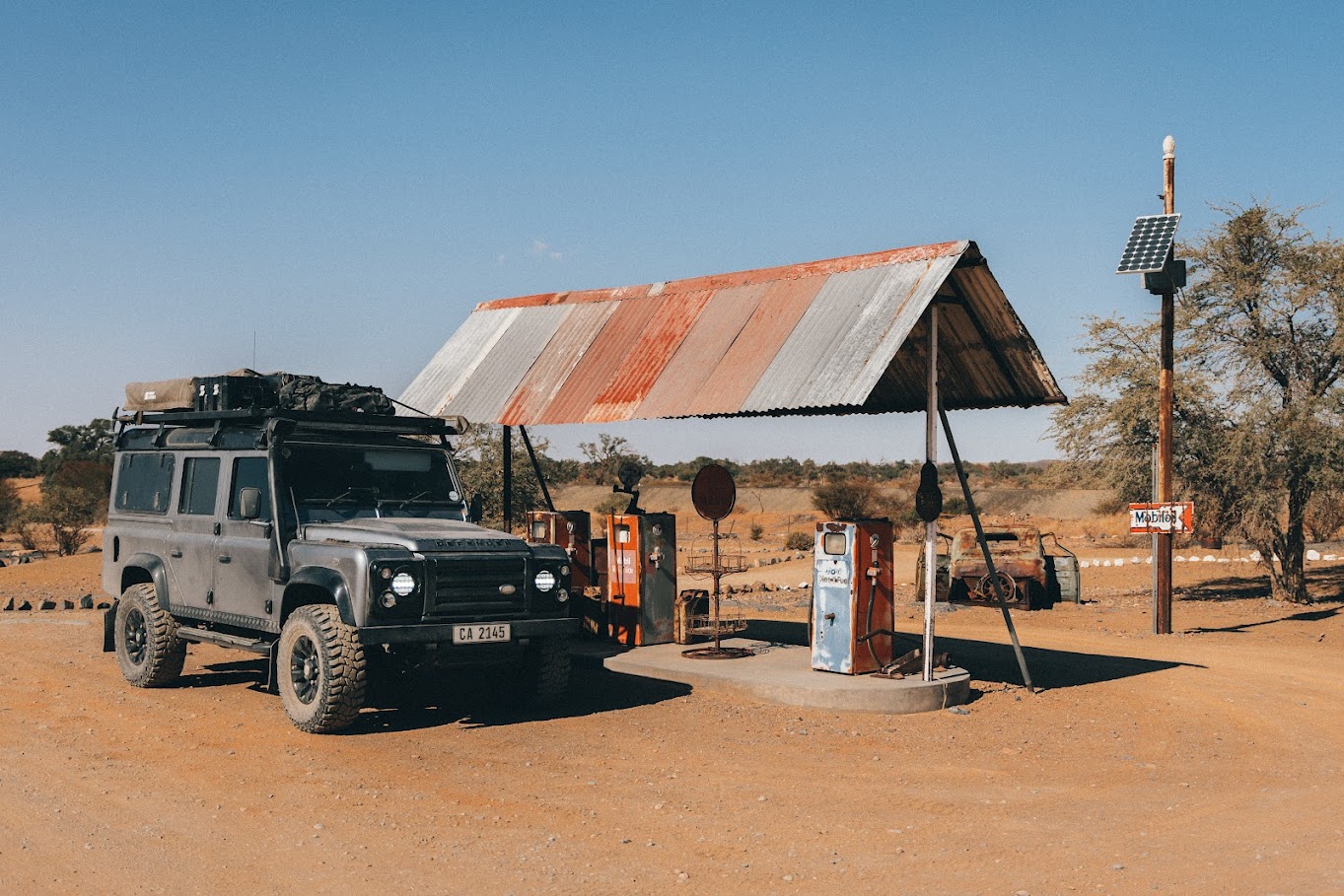
This one's less sexy but genuinely useful. If you're heading to the Richtersveld, Kgalagadi, or anywhere in the Northern Cape, plan your fuel stops properly. Driving 30 km off-route because you weren't sure about the next garage isn't just annoying. It costs you.
A few things worth doing:
- Know where you can fill up and at roughly what distance from your last stop
- Keep a small reserve in a legal jerry can for remote legs, but don't carry 20 litres permanently if you don't need it (weight again)
- Consider shifting departure times to avoid peak traffic on the N1 and N3 corridors. Stop-start traffic burns fuel at a brutal rate
On Long Hauls: Consider Your Convoy Discipline
If you're travelling in a convoy, the lead vehicle sets the pace for everyone's fuel bill. A lead driver who sits at 130–140 km/h on the highway is costing every vehicle behind them money.
Discuss it before you leave. Set a cruise speed. It's one of those things no-one wants to bring up at the braai but everyone appreciates once it's agreed.
The Roof Tent Question
We're not telling you to pull your RTT off your rig. That's not practical advice. But if you do city driving with your tent up, you're bleeding fuel every week. If your tent can come off between trips without a major drama, it's worth considering.
Aerodynamic hard shells (like an Alu-Cab Falcon or similar low-profile designs) are meaningfully better than tall soft-shells at highway speeds. If you're upgrading, it's a factor worth factoring in.
Quick Reference: Where Your Fuel Actually Goes
| Factor | Estimated Impact | Difficulty to Fix |
|---|---|---|
| Speed (140 vs 120 km/h) | 8–12% saving | Easy |
| Tyre pressure (10 psi under) | 5–8% saving | Easy |
| Vehicle weight (100kg extra) | 3–5% saving | Moderate |
| Air filter / service | 2–5% saving | Moderate |
| Aggressive driving style | Up to 15% saving | Discipline required |
| Roof rack aerodynamics | 3–7% saving | Situational |
Our Take
Economists have pointed out that these fuel hikes are no longer just a motoring issue. They're feeding directly into inflation across the board. That's the reality we're operating in, and it's not changing quickly.
None of the tips above are groundbreaking. But most people do none of them consistently. If you nail even half this list, you're realistically looking at 10–15% better efficiency on your rig, and at R32 a litre for diesel, that's not small change on a proper trip. A 1000km Botswana run in a 100-litre-tank bakkie at 15L/100km costs you R4 800 in diesel alone. A 12% saving is R576 back in your pocket. That's a campsite or two.
You can browse second-hand gear on the OVRLNDR marketplace if you're looking to lighten your kit load without spending on new gear. There's usually good stuff moving between trips.
What's your go-to fuel saving habit on the trail or the highway? Drop it in the comments or hit us on Instagram. We'll compile the best ones from the community.